
Emma Brown
Why Older Washington Homes Have More Plumbing Problems
Plumbers
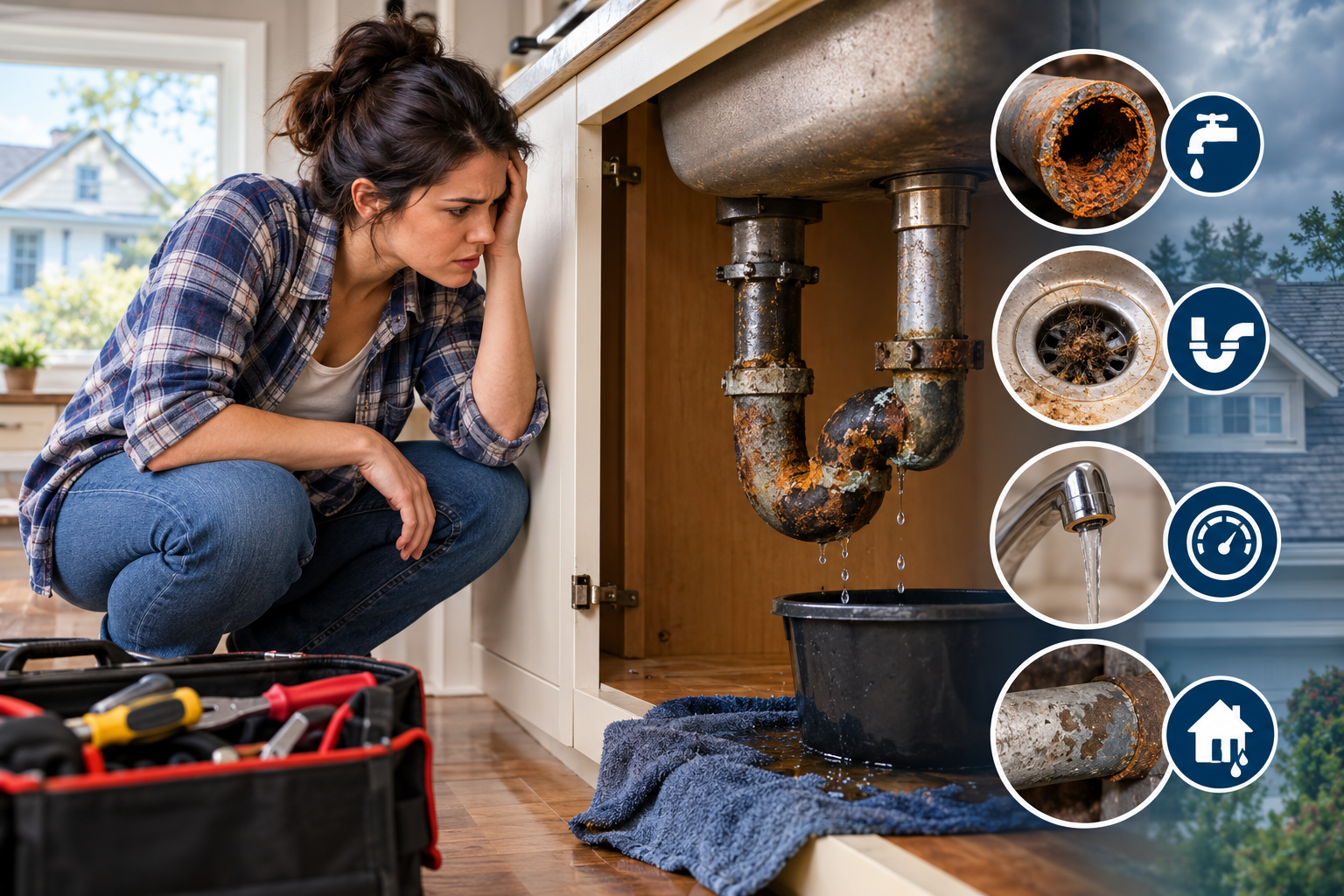
Older homes in Washington often have charm and distinctive features, but their aging plumbing systems can create a range of problems. Pipes and plumbing components naturally deteriorate over the years due to constant use, corrosion, mineral buildup, and general wear. Washington's wet and changing weather conditions can also make moisture-related plumbing concerns more challenging for older properties.
Common issues include leaking or damaged pipes, clogged drains, low water pressure, corroded fixtures, and sewer line problems. Older homes may also contain outdated plumbing materials that can become unreliable or require replacement to meet modern standards. Regular plumbing maintenance for older homes can help identify these concerns early, while timely plumbing repair for old houses can prevent minor issues from becoming costly problems.
This guide explores the main reasons older Washington homes experience plumbing problems, the warning signs homeowners should recognize, and the importance of regular plumbing inspections. With proper maintenance and prompt repairs, homeowners can improve the reliability of their plumbing systems and protect their property from preventable damage.
Common Plumbing Problems in Older Washington Homes
Homes built decades ago were designed with the materials and building codes of their time, which means many of their plumbing components are now well past their expected lifespan. Homeowners in older Washington properties frequently deal with slow leaks, reduced water pressure, and drains that clog more often than they should. These issues rarely appear all at once, they tend to build gradually until a small nuisance becomes a bigger repair.
Frequent Leaks and Pipe Failures
Small leaks behind walls or under floors are among the most common complaints in older homes. Over time, these hidden leaks can cause water stains, mold growth, and structural damage before anyone notices, making plumbing repair services necessary.
Recurring Drain Clogs
Aging drain lines often develop rough interior surfaces where debris, grease, and mineral deposits collect more easily, leading to clogs that return even after cleaning.
Inconsistent Water Pressure
Older supply lines can narrow internally due to corrosion and buildup, resulting in weak or fluctuating water pressure throughout the house.
Do You Run a Plumbing Business in Washington?
List your business on Yellow Pages Washington and connect with local customers searching for plumbing repairs, inspections, maintenance, sewer services, and emergency plumbing help. Click here to register your plumbing business and make it easier for Washington homeowners to find you.
Why Aging Pipes Cause More Plumbing Issues
Pipes are not built to last forever. Every material used in residential plumbing has a realistic lifespan, and once a home passes that milestone, the risk of failure increases significantly. Age-related deterioration affects the entire system, from the main water line to the smallest fixture connection.
Internal Corrosion and Rust Buildup
Metal pipes gradually corrode from the inside, narrowing the passage for water and creating rough surfaces that trap sediment and encourage further decay.
Weakened Joints and Connections
Decades of temperature changes, water pressure fluctuations, and ground movement can loosen or crack joints, making them prone to leaks and eventual failure.
Reduced Structural Integrity
As pipe walls thin out from years of wear, they become more vulnerable to cracking, splitting, or bursting, especially under pressure changes or freezing temperatures.
Outdated Plumbing Materials Found in Older Homes
Many older Washington homes still contain plumbing materials that were once standard but are now considered outdated or even unsafe by modern standards. Recognizing these materials is an important step in understanding why certain homes experience more frequent plumbing trouble.
Galvanized Steel Pipes
Galvanized steel was widely used decades ago, but its zinc coating breaks down over time, leading to internal rust, reduced flow, and eventual leaks.
Polybutylene Piping
This gray plastic piping, popular in past decades, is known for becoming brittle and failing unexpectedly, often without warning signs.
Old Fixtures and Valves
Original fixtures, shutoff valves, and fittings can wear out, stick, or corrode, making everyday plumbing tasks like shutting off water more difficult during an emergency.
How Washington's Climate Affects Older Plumbing Systems
Washington's climate plays a significant role in accelerating plumbing wear, particularly in homes with older infrastructure. Persistent moisture, seasonal temperature swings, and heavy rainfall all place additional stress on aging pipes and drainage systems, making residential plumbing services an important resource for addressing climate-related plumbing issues.
Excess Moisture and Humidity
Consistent dampness can accelerate corrosion in metal pipes and contribute to mold growth around leaky fixtures or poorly sealed plumbing areas.
Freeze-Thaw Cycles
Cold snaps followed by warmer periods can cause pipes to expand and contract repeatedly, increasing the likelihood of cracks in already weakened plumbing.
Heavy Rainfall and Drainage Strain
Prolonged rain can overwhelm older sewer and drainage systems, especially those not originally designed to handle current water volumes, leading to backups and slow drainage.
Signs Your Older Home Has Plumbing Problems
Recognizing the early warning signs of plumbing trouble can help homeowners address issues before they escalate into major repairs. Many symptoms are subtle at first, making regular attention to these details essential.
Unexplained Water Stains or Odors
Discoloration on walls, ceilings, or floors, along with musty smells, often points to hidden leaks that have been developing for some time.
Unusual Sounds From Pipes
Banging, rattling, or whistling noises when water is running can indicate loose pipes, trapped air, or pressure irregularities within the system.
Rising Water Bills
A sudden and unexplained increase in water usage is frequently a sign of an undetected leak somewhere in the home's plumbing system.
Common Causes of Leaks, Clogs, and Low Water Pressure
While aging materials are a major factor, several other elements contribute to the frequency of plumbing problems in older Washington homes. Understanding these causes helps homeowners target the right solutions instead of just addressing symptoms.
Mineral and Sediment Buildup
Hard water deposits accumulate inside pipes and fixtures over the years, creating conditions where clogged drain repair services may be needed to restore proper drainage and flow.
Tree Root Intrusion
Mature trees near older homes often send roots toward underground pipes in search of moisture, cracking or blocking lines in the process.
Deteriorated Seals and Gaskets
Rubber and compression seals around fittings break down with age, becoming a common source of slow, persistent leaks.
Sewer Line Problems in Older Washington Homes
Sewer lines are often the most overlooked part of a home's plumbing system, yet they are also among the most vulnerable to age-related damage. Many older Washington properties still rely on original sewer lines that were installed decades before current standards existed.
Cracked or Collapsed Pipes
Ground shifting, tree roots, and material fatigue can cause sewer lines to crack, sag, or collapse, leading to blockages and backups.
Slow Drains Throughout the House
When multiple drains in a home slow down at the same time, it often signals a developing issue farther down the main sewer line.
Sewage Backups and Odors
Persistent sewer odors or backups in lower-level drains are serious warning signs that typically require prompt professional attention, often involving emergency plumbing services.
When Older Plumbing Should Be Repaired or Replaced
Deciding between a repair and a full replacement depends on the age, condition, and history of the plumbing system. While some issues can be resolved with targeted fixes, others indicate that the entire system is nearing the end of its usable life.
Signs That Repair Is Enough
Isolated leaks, a single damaged fixture, or a minor clog are usually resolved with straightforward plumbing repair rather than a full system overhaul.
Signs That Replacement Is Necessary
Frequent recurring leaks, outdated pipe materials throughout the home, or repeated sewer line failures often point toward the need for broader replacement.
Weighing Cost Against Long-Term Value
While replacement can be a larger upfront investment, it often reduces the risk of ongoing repairs, water damage, and emergency situations down the line.
How Regular Plumbing Inspections Prevent Major Problems
Routine inspections are one of the most effective ways to catch small plumbing issues before they turn into expensive emergencies. For older homes especially, a proactive approach can significantly extend the life of the existing system.
Early Detection of Hidden Issues
Professional inspections can identify corrosion, weak joints, and minor leaks that are not yet visible to homeowners.
Camera Inspections for Sewer Lines
Video inspection technology allows technicians to examine the interior condition of sewer lines without unnecessary digging or guesswork.
Preventing Costly Emergencies
Catching problems early reduces the likelihood of sudden pipe bursts or sewage backups that require urgent, and often more expensive, intervention.
How to Maintain Plumbing in an Older Washington Home
Consistent maintenance plays a major role in extending the life of an older plumbing system. Simple, ongoing habits can reduce strain on pipes and fixtures while helping homeowners avoid larger, more disruptive repairs.
Schedule Routine Professional Checkups
Working with a reliable plumbing company for periodic inspections helps identify wear and tear before it becomes a significant problem.
Watch Water Pressure and Usage
Monitoring pressure levels and water bills can help homeowners notice irregularities early, prompting a closer look before issues worsen.
Address Small Repairs Promptly
Fixing minor leaks, slow drains, or worn fixtures as soon as they appear prevents them from developing into larger, more costly plumbing failures that may require an emergency plumber Washington homeowners can contact.
Final Thoughts on Maintaining Older Home Plumbing
Older Washington homes bring undeniable character, but their plumbing systems require extra attention as materials age and conditions change over time. Understanding the common causes of leaks, clogs, and pressure issues gives homeowners a clearer picture of what to watch for and when to act. Regular inspections, timely repairs, and awareness of outdated materials all play a role in keeping these systems reliable.
By staying proactive rather than reactive, homeowners can reduce the risk of unexpected failures and extend the life of their existing plumbing. Whether it's a minor repair or a larger replacement project, addressing issues early helps protect both the home and the investment behind it, ensuring that the charm of an older property doesn't come at the cost of a dependable plumbing system.
FAQs About Plumbing in Older Homes
How do I know if my old house has bad plumbing?
Warning signs include discolored water, low water pressure, slow or gurgling drains, frequent clogs, visible pipe corrosion, and unexplained increases in water bills.
What is the average lifespan of plumbing pipes in a house?
Lifespan varies by material: brass and copper pipes can last 50 years or more, galvanized steel typically lasts 20 to 50 years, and older plastic piping like polybutylene may fail much sooner.
How much does it cost to repipe an old house?
Costs vary widely based on home size, pipe material, and accessibility, and typically range from a few thousand dollars for partial repiping to a much larger investment for a full whole-house repipe.
Can old pipes cause health problems?
Yes, deteriorating pipes such as galvanized steel or older lead-containing components can affect water quality, which is why testing and inspection are important in older homes.
Is it worth buying an old house with old plumbing?
An older home can still be a good investment if the plumbing is inspected beforehand and any necessary repairs or replacements are factored into the overall budget.
Suggestions