
Emma Brown
Roof Damage in Washington: How Rain Can Lead to Costly Roof Repairs
Roofers
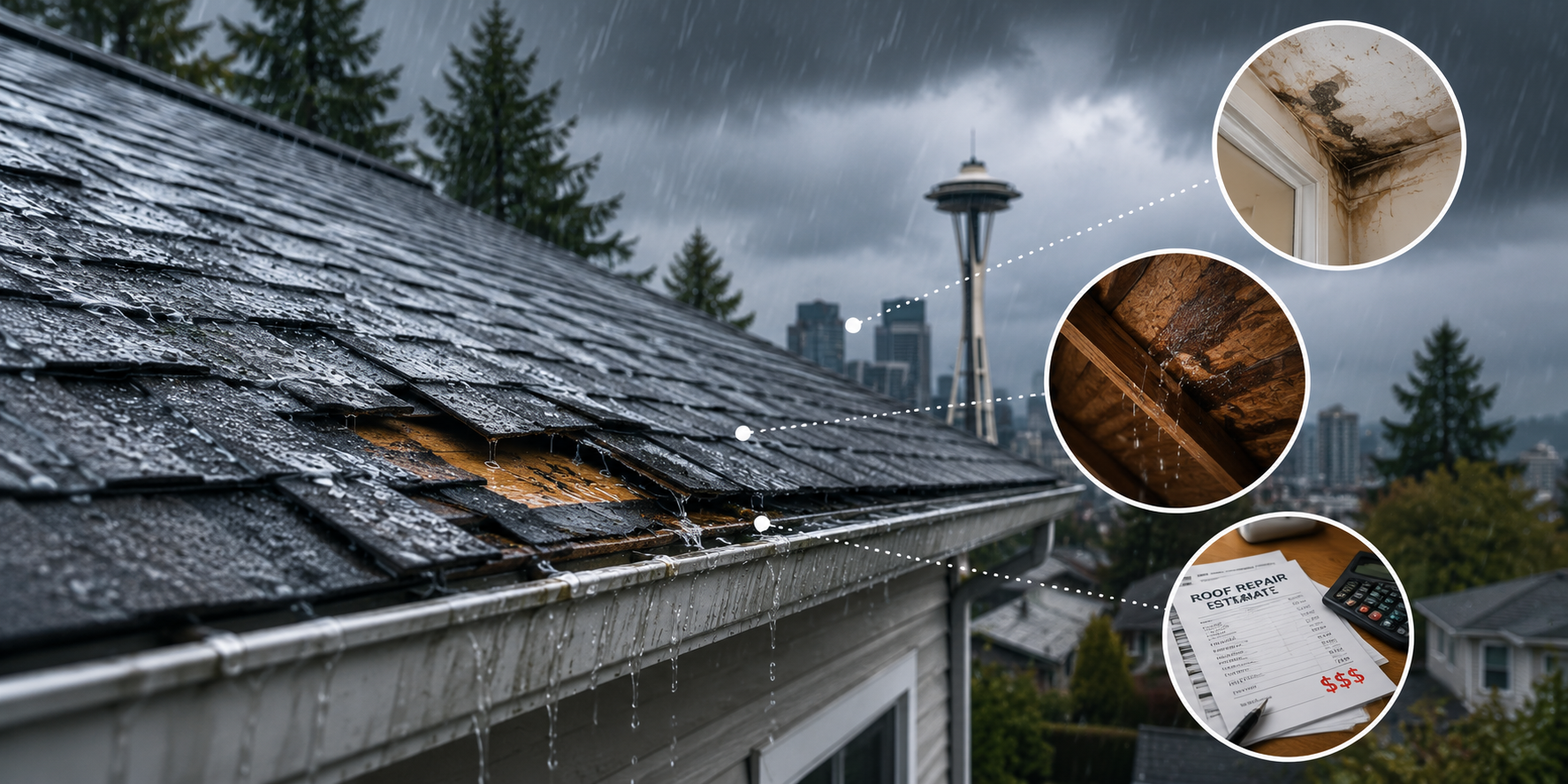
Frequent rain is one of the biggest challenges for roofs in Washington. Although roofing systems are built to withstand wet conditions, continuous exposure to moisture can gradually affect shingles, flashing, gutters, and the roof's underlying structure. Minor damage may initially go unnoticed, but continued water exposure can turn small defects into leaks and more extensive repairs.
Rain-related roof problems can include leaking shingles, damaged flashing, clogged gutters, moisture in the attic, wood rot, and mold growth. Older roofs or systems with poor drainage may be especially vulnerable. Regular inspections and maintenance can help identify these issues before they cause significant damage to the home.
This guide explores how Washington's rainy climate affects residential roofs, the common signs of water damage, and the factors that can make repairs more expensive. By recognizing problems early and addressing them promptly, homeowners can help extend their roof's lifespan and avoid unnecessary roof repair costs.
How Rain Causes Roof Damage in Washington
Washington's climate involves long stretches of rainfall, especially between fall and spring, which keeps roofing materials under near-constant moisture exposure. Over time, this can weaken sealants, loosen shingles, and allow water to work its way beneath protective layers that are otherwise designed to keep it out.
Prolonged Moisture Exposure
Unlike short, heavy storms, Washington's rain tends to be steady and drawn out over days or weeks. This prolonged dampness gives water more opportunity to seep into small gaps, cracks, or aging seals, rather than simply running off the surface as intended.
Freeze-Thaw Cycles in Colder Months
In cooler regions of the state, temperatures can dip near freezing overnight and rise during the day. Water that has already penetrated roofing materials can freeze, expand, and widen existing cracks, making the roof more susceptible to leaks once temperatures warm again.
Wind-Driven Rain
Coastal and elevated areas often experience wind alongside rainfall. Wind-driven rain can push water sideways under shingles or flashing, reaching areas that are normally protected from vertical rainfall, which is one reason storm damage roof repair needs are common after severe weather events.
Are you a roofing contractor serving customers across Washington?
List your business on Yellow Pages Washington and connect with local customers searching for dependable roofing contractors. Click here to register and make it easier for homeowners to find your business.
Common Signs of Rain-Related Roof Damage
Recognizing the early warning signs of water damage allows homeowners to address problems before they escalate. Some signs are visible from the ground, while others may only appear inside the attic or on ceilings.
Interior Water Stains and Discoloration
Brown or yellowish stains on ceilings or upper walls often indicate that water has already made its way through the roofing system. By the time these stains appear, moisture may have been present for some time.
Missing, Curling, or Damaged Shingles
Shingles that are cracked, curling at the edges, or missing altogether leave the roof deck exposed to rain. This is often one of the first physical signs that a roof leak repair may be needed soon.
Musty Odors or Visible Mold
A persistent musty smell in the attic or top-floor rooms can signal trapped moisture, even if no visible leak is present. Mold growth on wood framing or insulation is a stronger indicator that water has been accumulating for a while.
Roofing Problems Caused by Poor Drainage
When water cannot drain properly off a roof, it tends to pool, backflow, or seep into areas it was never meant to reach. Poor drainage is one of the most common underlying causes of long-term roof damage in wet climates like Washington's.
Clogged or Damaged Gutters
Leaves, debris, and granule buildup can block gutters, causing rainwater to overflow along the roofline instead of draining away. Over time, this can saturate the roof edge, fascia boards, and even the foundation of the home.
Ponding Water on Low-Slope Roofs
Flat or low-slope roofs are particularly prone to ponding, where water collects in low spots instead of flowing toward drains. Standing water adds unnecessary weight and accelerates the breakdown of roofing membranes.
Improper Roof Slope or Design
Some roofs are designed or installed with drainage patterns that don't account for heavy regional rainfall. When water consistently pools near valleys, chimneys, or roof-to-wall intersections, it increases the likelihood of leaks in those specific areas.
How Roof Leaks Can Lead to Costly Repairs
A small, unnoticed leak rarely stays small. Water tends to spread along the path of least resistance, which means the visible damage is often just a fraction of what's actually happening beneath the surface.
Structural Wood Rot
Once water reaches the roof deck or supporting framework, wood can begin to soften and rot. Left untreated, this weakens the structural integrity of the roof and may require replacing sections of decking or rafters rather than a simple patch.
Insulation and Drywall Damage
Water that reaches the attic often soaks insulation, reducing its effectiveness and requiring full replacement. If moisture continues into living spaces, drywall and ceiling materials may also need to be repaired or replaced.
Mold and Indoor Air Quality Issues
Persistent moisture creates ideal conditions for mold growth, which can spread through wall cavities and attic spaces. Beyond structural concerns, this can affect indoor air quality and may require professional remediation in addition to roof repair services.
Factors That Increase the Risk of Roof Damage
Not every roof faces the same level of risk. Several factors can make a home more vulnerable to rain-related roof damage, particularly in a climate where wet weather is the norm rather than the exception.
Roof Age and Material Type
Older roofs naturally have more wear on shingles, sealants, and flashing, making them more prone to leaks. The type of roofing material also plays a role, as some products hold up better under prolonged moisture than others.
Tree Coverage and Debris Accumulation
Homes surrounded by trees often deal with more leaves, branches, and moss buildup on the roof. This debris can trap moisture against roofing materials and contribute to premature deterioration.
Lack of Regular Maintenance
Roofs that haven't had a roof inspection in several years are more likely to have unnoticed vulnerabilities. Small issues that could have been addressed early often turn into larger, more expensive repairs when maintenance is delayed.
How to Prevent Rain-Related Roof Problems
While Washington's rainy climate can't be changed, homeowners can take proactive steps to reduce the risk of water damage and extend the life of their roofing system.
Schedule Routine Roof Inspections
Having a roofing contractor inspect the roof at least once or twice a year, ideally before and after the rainiest months, helps catch minor issues before they develop into major problems.
Keep Gutters and Downspouts Clear
Regularly cleaning gutters and ensuring downspouts direct water away from the home supports proper drainage and reduces the chance of water backing up under the roofline.
Address Small Repairs Promptly
Fixing a loose shingle, resealing flashing, or patching a small gap early is far less expensive than dealing with the aftermath of a full-blown leak. Ongoing roof maintenance is one of the most cost-effective ways to protect a home.
Consider Roof Waterproofing
Applying roof waterproofing treatments or coatings, where appropriate for the roofing material, can add an extra layer of protection against Washington's persistent rainfall and help extend the roof's overall lifespan.
When to Call a Professional Roofer
Some roofing issues are minor enough to monitor, but others require prompt professional attention. Knowing when to bring in an expert can help prevent a manageable repair from becoming a major project.
Signs You Shouldn't Ignore
Active leaks, sagging areas of the roof, daylight visible through the attic, or widespread shingle damage are all signs that it's time to contact a roofing company rather than wait and see how the situation develops.
Storm Damage Assessments
After a significant storm, a professional assessment can identify damage that isn't obvious from the ground, such as lifted shingles or compromised flashing, helping homeowners avoid overlooked issues that worsen with the next rainfall.
Choosing an Experienced Roofing Contractor
Working with an established residential roofing provider ensures repairs are done correctly the first time. Experienced professionals can also advise on whether a targeted repair is sufficient or whether roof replacement is the more practical long-term solution, and some situations call for emergency roof repair to prevent further water intrusion.
Final Thoughts
Washington's frequent rainfall places ongoing stress on residential roofs, making early detection and consistent upkeep essential for avoiding costly damage. Small issues like a loose shingle or a clogged gutter may seem minor, but left unaddressed, they can lead to leaks, wood rot, and mold growth that are far more expensive to fix.
Scheduling regular inspections, keeping drainage systems clear, and addressing repairs promptly are practical steps that go a long way toward protecting a home's roof. When damage does occur, reaching out to a qualified professional promptly can help homeowners resolve the issue before it grows into a larger, more costly project.
FAQs About Roof Damage in Washington
How much rain can a roof take before it leaks?
There's no fixed amount of rainfall that causes leaks; it depends more on the roof's condition, age, and installation quality. A well-maintained roof can handle heavy, prolonged rain, while a roof with existing wear may leak even during moderate rainfall.
How often should I inspect my roof for water damage?
Most experts recommend checking a roof at least twice a year, typically in spring and fall, along with an additional look after any major storm. This timing helps catch issues caused by seasonal wear before the next round of heavy rain arrives.
Is it normal for a roof to leak during heavy rain but not light rain?
Yes, this is fairly common and often points to a small gap, crack, or worn seal that only allows water through under sufficient pressure or volume. It's still worth investigating, since these leaks tend to worsen over time.
How do I know if my roof has water damage inside the attic?
Look for dark stains on wood framing, damp or compressed insulation, a musty smell, or any visible mold. Using a flashlight during daylight hours can also help reveal small gaps where outside light is getting through.
Does homeowners insurance cover rain damage to a roof?
Coverage varies by policy and provider, but many homeowners insurance plans cover sudden, storm-related roof damage while excluding damage caused by gradual wear or lack of maintenance. Reviewing the specific policy details is the best way to understand what's included.
Suggestions
Olivia Claymore