
Emma Brown
Licensed Electricians in Washington: How Much Do They Charge?
Electricians
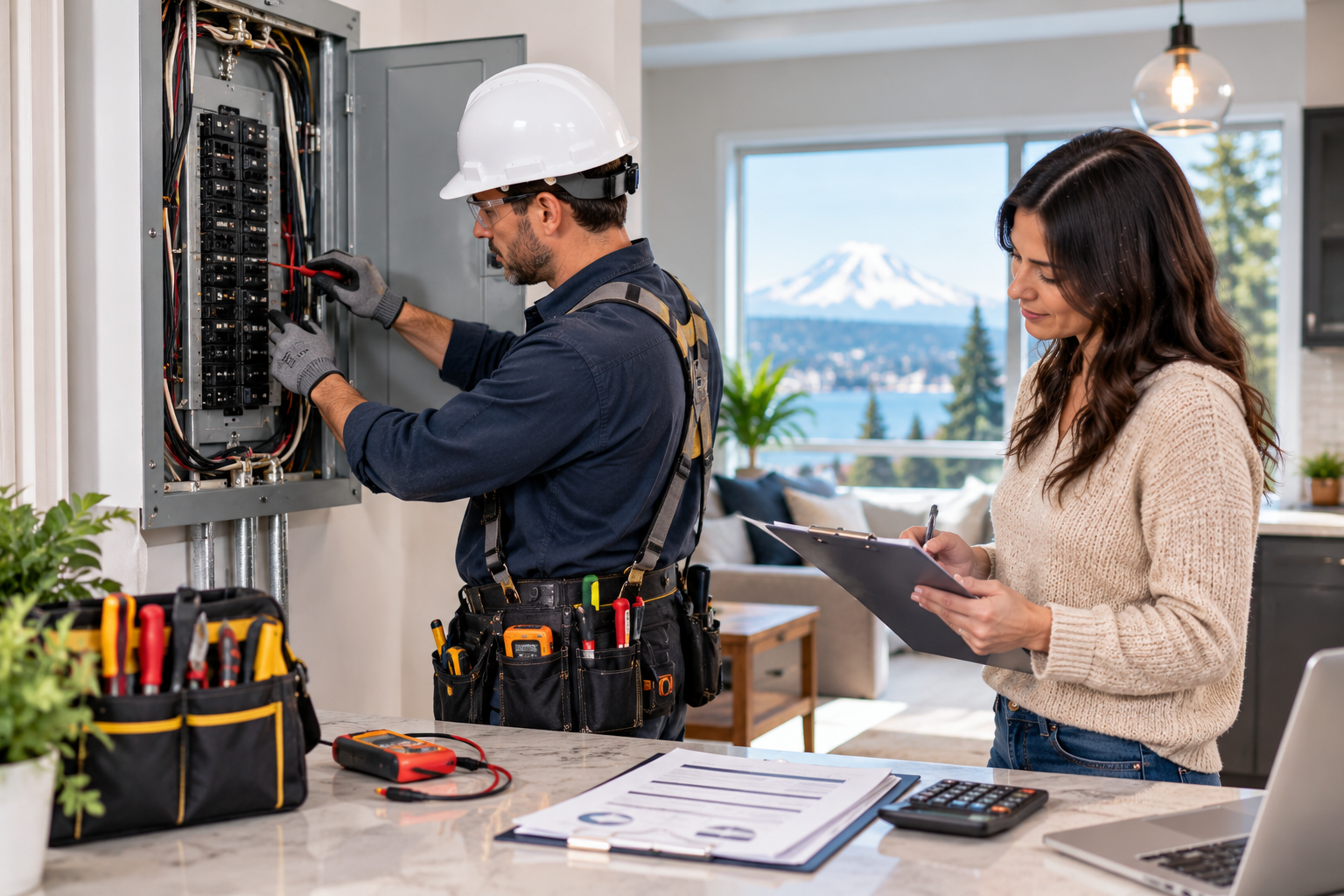
The cost of electrical services in Washington can vary considerably depending on the type of work involved. A basic repair or installation may require only a short service visit, while projects such as electrical panel upgrades, rewiring, or new wiring can involve more labor, materials, and permits.
Licensed electricians may charge by the hour, offer fixed prices for certain services, or calculate the total cost based on the scope of the project. Factors such as job complexity, materials, location, accessibility, and whether the work requires an emergency response can all affect the final price.
In this guide, we’ll look at how much licensed electricians in Washington charge, the common types of electrical services, typical pricing factors, and what can influence the total cost of hiring an electrician.
How Much Do Licensed Electricians in Washington Charge?
Most licensed electricians in Washington charge somewhere between $50 and $130 per hour, though this range shifts depending on the city, the electrician's experience level, and whether the job is billed hourly or as a flat project rate. In Seattle specifically, hiring a qualified electrician typically costs between $60 and $121 per hour, with the first hour often running around $150 on average to cover overhead. Many electricians also charge a separate service or trip fee to cover travel and diagnostic time before any repair work begins.
Typical Hourly Rates by Experience Level
Apprentice electricians, who work under supervision, generally charge the least. Journeyman electricians, who have completed their required training hours and passed a state exam, sit in the middle of the pricing range. Master electricians, who often handle more complex commercial and industrial work, typically charge the highest hourly rates because of their advanced licensing and years of field experience.
Average Total Project Cost
The overall cost to hire an electrician in Seattle averages around $423, with most projects falling between $200 and $647, though this figure can climb significantly for larger jobs like panel upgrades or whole-home rewiring. Smaller repairs, such as fixing a single outlet or switch, tend to land on the lower end of that range.
Are you a trusted electrician in Washington?
Get your business listed on Yellow Pages Washington and connect with local customers searching for electrical services. Click here to register and start getting discovered.
What Factors Affect Electrician Costs in Washington?
Several variables influence what a homeowner or business ultimately pays for electrical work in Washington. Understanding these factors can help you compare quotes more accurately and avoid surprises once the job is underway.
Job Complexity and Scope
A simple task, like replacing a light switch, takes far less time and expertise than installing a new subpanel or running wiring through multiple rooms. The more technical the job, the more labor hours and specialized knowledge it typically requires, which increases the total price.
Location and Accessibility
Rates tend to be higher in denser urban areas like Seattle and Bellevue compared to more rural parts of the state, largely due to differences in cost of living and demand. Older homes with outdated wiring, such as many Craftsman-style houses in neighborhoods like Ballard and Capitol Hill, often need panel updates or grounding improvements that add to labor time. Tight crawl spaces, steep lots, or hard-to-reach attics can also slow down a job and raise costs.
Materials and Permits
The cost of wiring, breakers, panels, fixtures, and other components is usually billed separately from labor. Many electrical projects in Washington also require a permit, particularly for panel upgrades or rewiring, and permit fees are typically passed along to the customer as part of the total project cost.
License Level and Experience
A licensed electrical contractor with years of specialized experience, such as in EV charger installations or solar-ready panels, may charge a premium over a general residential electrician. Choosing a properly credentialed electrical contractor Washington homeowners trust often means paying a bit more upfront, but it reduces the risk of costly rework down the line.
What Are the Average Costs of Common Electrical Services?
Pricing varies by service type, and knowing typical cost ranges can help you budget before requesting quotes. Below are some of the most requested electrician services Washington homeowners and business owners typically pay for.
Outlet and Switch Installation or Repair
Installing or repairing a standard outlet or switch is usually one of the more affordable jobs, often falling within a single hourly billing block. These smaller repairs are common examples of residential electrical repair work that doesn't require extensive planning or permitting.
Panel Upgrades
A 100-amp to 200-amp panel upgrade typically costs between $1,800 and $3,500, depending on the panel's condition, the home's electrical demand, and any code-related updates needed. This is one of the more involved electrical services Washington properties often require, especially in older homes with outdated fuse boxes.
Rewiring
A whole-house rewire generally costs between $4 and $15 per square foot, making it one of the larger investments a homeowner can make in their electrical system. Costs depend on the home's size, wall accessibility, and how much of the existing wiring can be reused safely.
Lighting and Ceiling Fan Installation
Installing new light fixtures or ceiling fans is a moderate-cost job that usually takes a few hours, depending on whether new wiring or a support brace is needed.
EV Charger Installation
Installing a Level 2 EV charger typically runs between $1,200 and $3,500, depending on the distance from the panel, whether a panel upgrade is also needed, and local permitting requirements.
Do Electricians Charge by the Hour or by the Project?
Both hourly and flat-rate pricing are common in Washington, and which one applies often depends on the type of work and the individual company's business model.
Hourly Billing
Hourly rates are common for diagnostic visits, small repairs, and jobs where the scope isn't fully known until the electrician arrives. Most service call fees range from $75 to $150 and are often applied toward the first hour of labor. This structure works well for unpredictable repair calls but can make total costs harder to estimate in advance.
Flat-Rate or Project Pricing
Many electrical contractors now favor flat-rate pricing for well-defined jobs like panel upgrades, rewiring, or new circuit installations, since it gives homeowners a clear total cost before work begins. Flat pricing also removes the pressure of watching the clock during a repair, which many customers prefer for larger or more predictable projects.
Do You Need a Licensed Electrician in Washington?
Washington state law requires most electrical work to be performed by a licensed professional, and this isn't just a formality; it's a safety and legal requirement tied directly to code compliance.
Washington Licensing Requirements
Electrical licensing in Washington is regulated by the Department of Labor & Industries, and journeyman electricians must complete roughly 8,000 hours of supervised training before sitting for their licensing exam. Master electricians must hold an active journeyman license for several additional years before qualifying for that higher credential. This layered licensing system is designed to ensure that anyone doing wiring, panel, or circuit work has verified hands-on training.
Risks of Hiring Unlicensed Help
Unlicensed electrical work can lead to failed inspections, voided homeowner's insurance claims, and serious fire or shock hazards. Permits pulled for electrical work in Washington generally require a licensed contractor's information, so skipping this step can also create problems when selling a home or filing an insurance claim later.
Are Emergency Electrician Services More Expensive?
Yes, emergency electrical work typically costs more than a scheduled appointment, largely because it requires immediate availability outside of normal business hours.
What Counts as an Electrical Emergency
Common electrical emergencies include burning smells from outlets or appliances, a hot or sparking panel, exposed wiring, or a complete loss of power. These situations pose safety risks and usually can't wait for a standard appointment slot.
Typical Emergency Rate Increases
Emergency electrical visits often cost close to double the standard hourly rate, reflecting the after-hours labor and the priority scheduling involved. If you're searching for an emergency electrician, it helps to confirm the after-hours rate upfront so you aren't caught off guard by the final bill.
How to Choose a Licensed Electrician in Washington
Finding a qualified professional involves more than picking the first name that shows up in a search. A little research upfront can save money and prevent headaches later.
Verify License and Insurance
Always confirm that a contractor holds an active Washington L&I electrical license and carries liability insurance. This protects you financially if something goes wrong during the job and confirms you're working with a properly credentialed local electrician rather than someone operating without proper certification.
Compare Multiple Quotes
Getting quotes from a few different providers helps you understand the going rate for your specific project and spot outliers, whether unusually high or suspiciously low. This is one of the simplest ways to find an affordable electrician without sacrificing quality or safety.
Read Reviews and Ask Questions
Look at recent customer reviews, ask about warranty coverage on labor and materials, and request a written estimate before work begins. Whether you need a residential electrician for a home repair or a commercial electrician for a business property, asking clear questions about pricing structure, permits, and timelines up front leads to a smoother project overall. For anything beyond a basic fix, choosing among the best electrical repair services available in your area, rather than the cheapest option by default, often pays off in the long run through safer, code-compliant work.
FAQs About Electrician Costs in Washington
How much do electricians charge per hour in Washington?
Most licensed electricians in Washington charge between $50 and $130 per hour, with rates in cities like Seattle typically running from about $60 to $121 per hour depending on experience and job complexity.
How much does it cost to rewire a house in Washington?
A whole-house rewire generally costs between $4 and $15 per square foot, with the total depending on the home's size, age, and how accessible the existing wiring is.
How much does an electrical panel upgrade cost?
Upgrading a panel from 100 amps to 200 amps typically costs between $1,800 and $3,500, though older homes with outdated wiring may require additional work.
Do electricians charge more for emergency or after-hours calls?
Yes, emergency electrical service calls often cost close to double the standard hourly rate due to the immediate response and after-hours labor involved.
How much does a typical service call cost?
Service call fees usually range from $75 to $150 and are often credited toward the cost of the first hour of labor if you proceed with the repair.
Suggestions